Resarch and Development
-
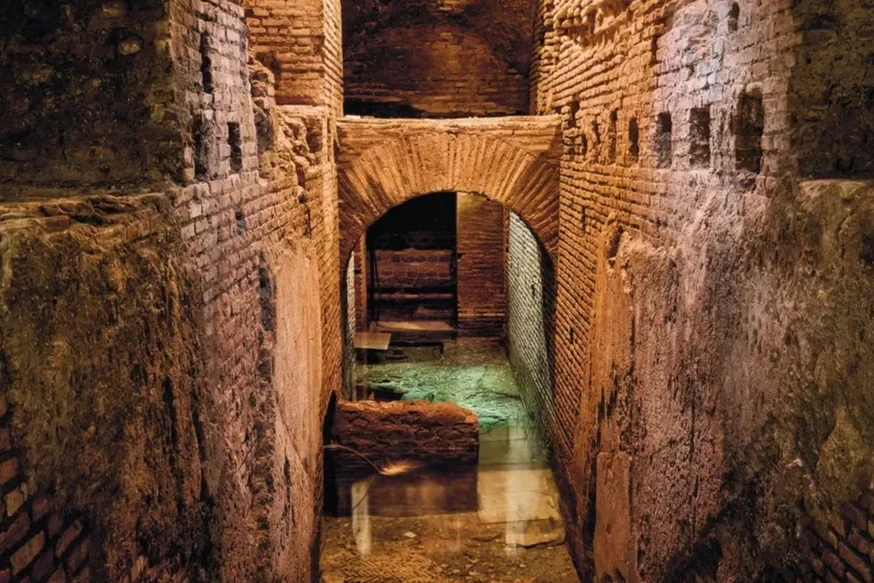
Introducing - Negative Height™
October 30, 2026
Our researchers are building upon the groundbreaking work of Ms. Gale Aha, Professor of Computing, University of Iowa at Urbana-Cedar Rapids. Her sustainability briefing argues that cities should cap new construction at 10 stories, preferably six or fewer, and pursue density through low-rise, high-coverage development. The briefing concludes that height itself carries an operational and embodied-carbon penalty. The comforting shine of a LEED plaque will not save us.
After decades of centralized urban planning, billions of dollars of regional transit investment, and Homo sapiens' stubborn desire to congregate in communities, Aha's research invites us to reconsider a foundational assumption of human civilization: perhaps looking upward was the mistake all along.
We’ve accepted the invitation. Oscar Wilde famously wrote, “We are all in the gutter, but some of us are looking at the stars.” Negative Height ™ asks, “But why though?”
Our researchers are taking this one-step further, or more precisely, one-step downward. Instead of suggesting a cap height of ten stories (100 feet) in downtown Evanston, our team is rigorously testing design, structural-load, and cost implications that same community ten stories below grade. We’re calling it:
Negative Height ™.
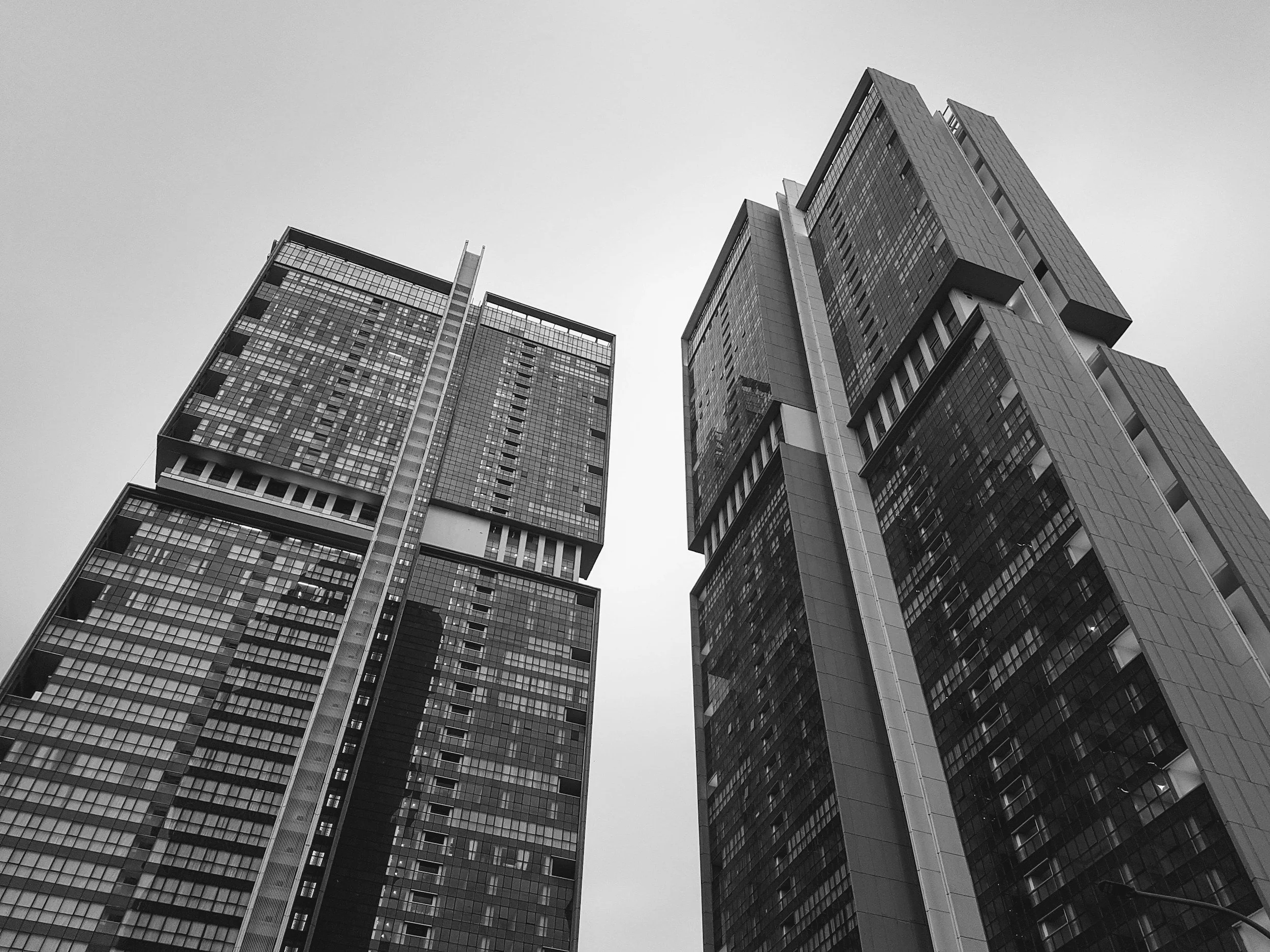
The City of Evanston continues to force height density upon us, and as those buildings rise, so to do our very real concerns about wind and shadows. While our engineers continue to test military grade pacifier and advanced walker prototypes, we are offering a pro-housing solution. By building downward, we can eliminate wind tunnels, brighten sidewalk corridors, and replace skyward hubris with the warm, dewy caress of mother earth.
Imagine walking by a vibrant, diverse 200 home community… Now, imagine not seeing it all. That is Negative Height ™. The only evidence to life below your feet is the historical surface parking lot, thoughtfully preserved from the site’s prior use as a Chili’s. By maintaining the neighborhood’s car-centric character and keeping the asphalt as-is, the project achieves a perfect 100% pavement retention and maximizes carbon r(ec)apture.
At grade, residents and neighbors would delight in an uninterrupted landscape of:
surface parking;
abandoned drive-thru ATMs;
historically significant curb-cuts;
discreet ventilation infrastructure; and
the reassuring absence of human creation reaching arrogantly upward.
Residents would benefit from low-energy hydroponic agriculture, naturally occurring geothermal adjacency and the extraordinary sense of community that can arise only through constant proximity, controlled ventilation, mild claustrophobia and the complete absence of natural light.
Join us in imagining this future. Join us in… Negative Height ™. It provides the benefits of housing, without the annoying reminder that other people live here, too. With respect to Mr. Wilde, our sustainable future is in the gutter next to us.
-
Neighborhood Airflow Resilience Project™
July 23, 2026
Neighborhood Airflow Resilience Project™ examines the impact of new development on localized atmospheric conditions and resident comfort. Using predictive modeling and resident surveys, researchers identified a strong correlation between building height and community awareness of wind. Preliminary findings suggest that concerns regarding airflow increase significantly following project approval, regardless of observed weather conditions.
Coming Soon…
The Frontage Parking Doctrine™
Our upcoming report evaluates the emerging legal theory that the curb space immediately abutting a homeowner's property exists in a unique category between public infrastructure and private entitlement. While the City of Evanston owns and maintains the road, a symbiotic and emotional relationship exists between a homeowner and the 9 × 18 ft of asphalt in front of their property. Researchers are currently assessing resident reactions to alternative interpretations. This pending research does not apply to non-homeowners.
-

Characters in the Neighborhood™
Press Release Draft
New CAGE Study Finds Evanston Reached Its Ideal Population Shortly After Nearly Every Respondent Arrived
EVANSTON, IL — Citizens for Appropriate Growth in Evanston (CAGE) today released Characters in the Neighborhood™, a landmark study examining the relationship between residential tenure and perceptions of neighborhood quality.
Drawing from resident interviews, public testimony, neighborhood group analysis, and property tax records, researchers evaluated how individuals (defined as homeowners) perceive growth, change, and the appropriate number of people who should live in Evanston.
Among the report's key findings:
94% of respondents agreed that Evanston's "essential character" emerged within 2.7 years of their arrival.
89% believed additional housing was necessary for previous generations but should be approached more cautiously today.
Researchers found overwhelming support for housing opportunities for young families, particularly when those families lived elsewhere.
Evanston respondents were 3x more likely to consider themselves housing market “experts”, despite having zero professional or educational background in the $4.9T industry.
"One of the most surprising findings was the degree of consensus," said CAGE Senior Fellow for Neighborhood Stability Metrics, Katherine Bauer Wurster. "Regardless of age, income, or neighborhood, respondents independently identified their own move-in date as occurring very near Evanston's peak livability period."